
 By
By 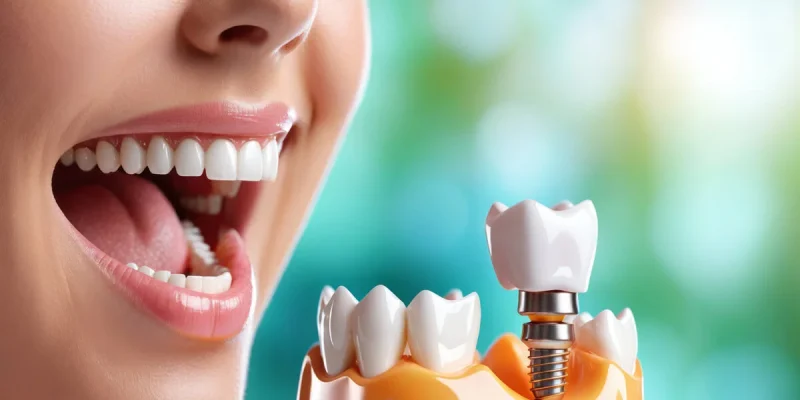
Losing teeth can be a real knock to your confidence and overall well-being. It can affect how you eat, speak, and even how you feel about yourself. Thankfully, modern dentistry offers a fantastic solution: dental implants. Beyond just filling the gaps in your smile, dental implants offer a range of lifestyle benefits that can truly transform your life. Let’s explore how these innovative devices can give you back your youthful grin and improve your quality of life.
If you’re considering options for tooth replacement, it’s worth looking at the advantages of dental implants services. They provide a long-lasting and natural-looking solution that can significantly enhance your oral health and overall confidence. Thinking about getting back that confident smile? Let’s dive into the many ways dental implants can make a difference.
What are dental implants?
Dental implants are essentially artificial tooth roots, typically made from biocompatible titanium. They are surgically placed into your jawbone, where they fuse with the bone over time through a process called osseointegration. For UK patients considering this route, selecting a practice with deep implant expertise is critical — and MaryleboneSmileClinic in London offers exactly that, with a cosmetic dentist team experienced in the full spectrum of implant solutions and restorations.
Unlike dentures, which sit on top of the gums, dental implants are anchored in the jawbone, providing superior stability and support. This means you can eat, speak, and smile with confidence, without worrying about your teeth slipping or shifting. They are a long-term solution for missing teeth, offering a level of comfort and functionality that other options simply can’t match.
The lifestyle benefits of dental implants
Beyond just restoring your smile, dental implants can significantly improve various aspects of your daily life. From boosting your self-esteem to enhancing your ability to enjoy your favourite foods, the benefits are numerous and far-reaching. Let’s take a closer look at how dental implants can transform your lifestyle.
Improved self-confidence
Missing teeth can have a significant impact on your self-esteem and confidence. You might find yourself hesitant to smile, laugh, or speak in public, which can affect your social interactions and overall quality of life. Dental implants can restore your smile and give you the confidence to show it off. This can lead to improved social interactions and a greater sense of self-worth.
With dental implants, you won’t have to worry about gaps in your smile or the embarrassment of dentures slipping. You can enjoy a natural-looking and functional smile that boosts your confidence and allows you to feel more comfortable in social situations. This newfound confidence can have a ripple effect, positively impacting your personal and professional life.
Enhanced speech
Missing teeth can affect your ability to speak clearly. Certain sounds and words may become difficult to pronounce, leading to speech impediments and communication challenges. Dentures can sometimes exacerbate this issue, as they can be bulky and uncomfortable, making it difficult to articulate words properly. Dental implants, on the other hand, provide a stable and secure base for your replacement teeth, allowing you to speak clearly and confidently.
By restoring the natural structure of your mouth, dental implants can improve your speech and pronunciation. You’ll be able to communicate more effectively and confidently, without worrying about mispronouncing words or struggling to articulate yourself. This can be particularly beneficial in professional settings, where clear communication is essential.
Better chewing ability
Missing teeth can make it difficult to chew properly, limiting your diet and preventing you from enjoying certain foods. Dentures can restore some chewing ability, but they often lack the stability and strength of natural teeth. This can make it challenging to eat hard, crunchy, or chewy foods, which can be frustrating and limit your nutritional intake.
Dental implants provide a strong and stable foundation for replacement teeth, allowing you to chew with ease and confidence. You’ll be able to enjoy all your favourite foods without worrying about discomfort or difficulty. This can lead to a more varied and nutritious diet, which is essential for maintaining overall health and well-being.
Improved oral health
Unlike bridges, which require the support of adjacent teeth, dental implants are stand-alone replacements that don’t affect the health of your remaining natural teeth. In fact, dental implants can actually help to improve your overall oral health by preventing bone loss in the jaw. When teeth are missing, the jawbone can begin to deteriorate, which can lead to further tooth loss and facial collapse. Dental implants stimulate bone growth and prevent this from happening.
Maintaining good oral hygiene is also easier with dental implants. You can brush and floss them just like natural teeth, without the need for special cleaning solutions or devices. This makes it easier to keep your mouth clean and healthy, reducing your risk of gum disease and other oral health problems.
Long-lasting solution
With proper care and maintenance, dental implants can last a lifetime. Unlike dentures or bridges, which may need to be replaced every few years, dental implants are a long-term solution that can provide you with a stable and functional smile for many years to come. This makes them a cost-effective option in the long run, as you won’t have to worry about the expense and inconvenience of frequent replacements.
To ensure the longevity of your dental implants, it’s important to practice good oral hygiene, including regular brushing, flossing, and dental check-ups. You should also avoid habits that can damage your implants, such as smoking, chewing on hard objects, and grinding your teeth. With proper care, your dental implants can provide you with a beautiful and functional smile for the rest of your life.
The process of getting dental implants
The process of getting dental implants typically involves several stages, including an initial consultation, implant placement, healing period, and restoration placement. Your dentist will assess your oral health and determine if you’re a good candidate for dental implants. If so, they will create a treatment plan tailored to your specific needs and goals.
The implant placement procedure involves surgically inserting the titanium implants into your jawbone. This is typically done under local anaesthesia, and you may experience some discomfort or swelling afterwards. The healing period, which can last several months, allows the implants to fuse with the bone. Once the implants are fully integrated, your dentist will attach the replacement teeth, completing the process.
Finding the right perth dentists
Choosing the right dentist is crucial for ensuring a successful dental implant procedure. Look for a dentist who is experienced in implant dentistry and has a proven track record of success. It’s also important to find a dentist who you feel comfortable with and who takes the time to listen to your concerns and answer your questions. Finding experienced perth dentists can make all the difference in your experience.
Don’t hesitate to ask potential dentists about their qualifications, experience, and the types of dental implants they use. You should also inquire about their success rates and any potential risks or complications associated with the procedure. By doing your research and choosing a qualified and experienced dentist, you can increase your chances of a successful and satisfying outcome.
Maintaining your dental implants
Maintaining your dental implants is essential for ensuring their longevity and functionality. Practice good oral hygiene by brushing and flossing your implants regularly, just like you would with natural teeth. Use a soft-bristled toothbrush and non-abrasive toothpaste to avoid scratching or damaging the implant surfaces. Floss between your implants and adjacent teeth to remove plaque and debris.
In addition to regular brushing and flossing, it’s important to schedule regular dental check-ups and cleanings. Your dentist can assess the health of your implants and identify any potential problems early on. They can also provide professional cleanings to remove any stubborn plaque or tartar buildup that you may have missed. By following these simple maintenance tips, you can keep your dental implants healthy and functional for many years to come.
Are dental implants right for you?
Dental implants are a fantastic solution for restoring missing teeth and improving your overall quality of life. If you’re considering tooth replacement options, it’s worth exploring the benefits of dental implants and discussing them with your dentist. They can assess your oral health and determine if you’re a good candidate for the procedure. With proper care and maintenance, dental implants can provide you with a beautiful, functional, and confident smile for many years to come. Getting quality dental implants services can give you back your youthful grin.
Ultimately, the decision of whether or not to get dental implants is a personal one. Consider the benefits, risks, and costs associated with the procedure, and weigh them against your own individual needs and goals. If you’re looking for a long-lasting, stable, and natural-looking solution for missing teeth, dental implants may be the perfect choice for you.
Frequently asked questions
Are dental implants painful?
The implant placement procedure is typically performed under local anaesthesia, so you shouldn’t feel any pain during the surgery. You may experience some discomfort or swelling afterwards, but this can usually be managed with over-the-counter pain medication. Most patients report that the discomfort is minimal and well-tolerated.
How long do dental implants last?
With proper care and maintenance, dental implants can last a lifetime. However, factors such as smoking, poor oral hygiene, and grinding your teeth can shorten their lifespan. Regular dental check-ups and cleanings are essential for ensuring the longevity of your implants.
How much do dental implants cost?
The cost of dental implants can vary depending on several factors, including the number of implants needed, the type of restoration used, and the location of the procedure. It’s best to consult with your dentist to get an accurate estimate of the cost for your specific case.
Can anyone get dental implants?
Most people are good candidates for dental implants, but there are some exceptions. People with certain medical conditions, such as uncontrolled diabetes or severe gum disease, may not be suitable candidates. Your dentist will assess your oral health and medical history to determine if dental implants are right for you.
What are the alternatives to dental implants?
The main alternatives to dental implants are dentures and bridges. Dentures are removable replacements for missing teeth, while bridges are fixed replacements that are supported by adjacent teeth. Each option has its own advantages and disadvantages, and your dentist can help you determine which one is best for your individual needs.











Comments