
 By
By 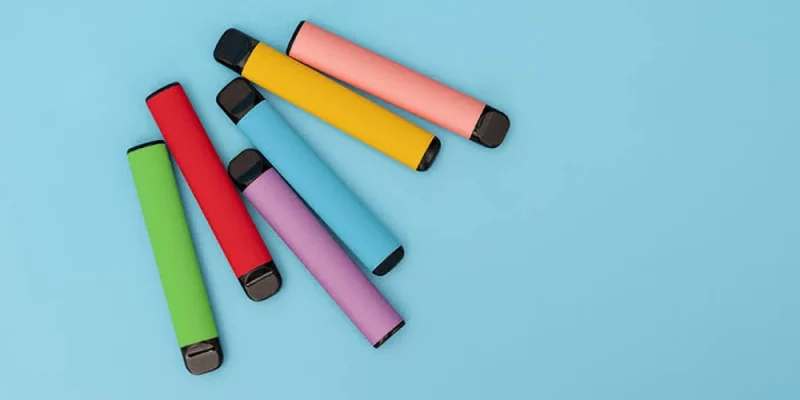
Performance across repeated use is where disposable vape products either hold up or reveal their limitations. A THCA disposable vape is built to deliver consistent output from the first draw through the last, though how well it does that depends on several internal variables working together across the lifespan of the device.
Battery performance
Battery output sets the heat level delivered to the coil during every draw, and how stable that output stays over time determines whether each session feels similar to the last. A battery that holds voltage consistently produces uniform vapour volume and predictable cannabinoid delivery from start to finish.
Fixed-battery disposables lose voltage gradually as the charge depletes. That gradual decline shows up as lighter vapour in later sessions compared to earlier ones, and consumers who use the same device across several days tend to notice the shift. Rechargeable formats address this directly. Restoring charge before each session keeps voltage at the operating level and removes the performance curve that fixed-battery devices cannot avoid. Battery capacity, measured in milliamp hours, gives a rough indication of how many draws a device can support before requiring attention. Higher capacity ratings support more consistent output across high-frequency use without the same rate of decline.
Coil behavior
Coil behaviour determines whether vapour quality remains stable as session count increases. Ceramic coils used across most THCA disposable vape products distribute heat evenly and resist residue buildup far better than standard metal alternatives do.
Each session leaves trace amounts of concentrated extract on the coil surface. Over time, that residue affects flavour and changes draw resistance if the coil material distributes heat unevenly.
- Ceramic coil surfaces maintain structural integrity across more heat cycles than metal alternatives.
- Even heat distribution across the coil face reduces localised burning that alters the vapour taste.
- Low-resistance coil designs reach vaporisation temperature faster, reducing strain on both the coil and the battery.
Oil viscosity changes
Oil viscosity in a THCA disposable vape shifts as the fill level decreases and chamber temperature fluctuates between sessions. That shift affects how consistently oil feeds into the coil and how reliable vapour production stays across draws.
Dense THCA extract requires a coil that pulls oil upward efficiently without creating air pockets that interrupt vapour flow. Devices built specifically for high-viscosity oil use wider wick openings and coil configurations that support steady oil delivery across varying fill levels, rather than performing well only when the chamber is full.
Airflow and draw
Airflow design determines the resistance a consumer encounters during each draw and how that resistance changes as the device ages through its oil reserve. A well-calibrated system keeps the draw feel consistent from a full chamber through to near-empty levels.
Adjustable airflow found on some THCA disposable vape formats lets consumers modify draw resistance based on personal preference. Fixed airflow systems rely entirely on the manufacturer’s original calibration, making hardware quality at production the main factor determining long-term draw consistency. Consumers using a device across many sessions benefit most when airflow, coil rating, battery capacity, and oil viscosity are matched at the design stage rather than assembled without accounting for how they interact during extended use.
Performance across multiple sessions is not determined by any single component but by how well the battery, coil, oil viscosity, and airflow system work together from first draw to last. Consumers who evaluate these variables before purchasing tend to experience fewer performance surprises across the full lifespan of the device.








Comments