
 By
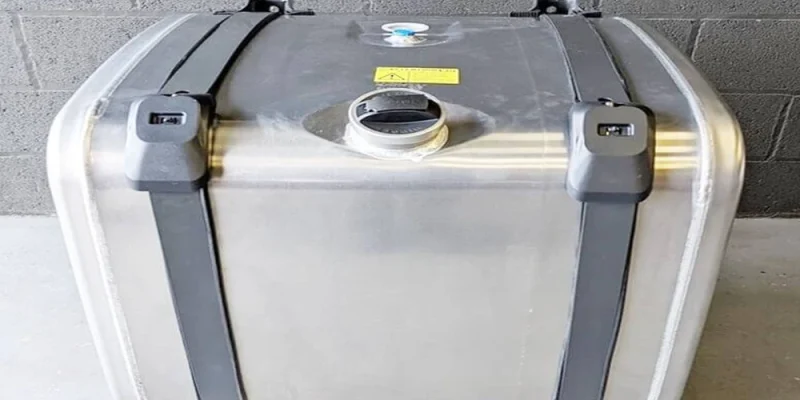
How choosing the correct replacement fuel tank, checking compatibility and planning installation can help commercial vehicle operators minimise downtime and maintain fleet reliability.
For haulage companies, logistics businesses and commercial vehicle workshops, keeping vehicles operational is essential. Even a relatively straightforward component replacement can become expensive if the correct parts are unavailable or compatibility problems delay repairs.
Truck fuel tanks are a good example. Although they are designed to withstand demanding operating conditions, years of exposure to vibration, road debris, moisture and changing temperatures can eventually affect their condition.
When a fuel tank requires replacement, the challenge involves more than finding another tank with a similar capacity.
Fleet managers and workshop technicians must consider the vehicle’s specification, mounting configuration, fuel connections and overall installation requirements.
A planned approach can help reduce unnecessary downtime, avoid incorrect parts orders and support dependable long-term vehicle operation.
Why Fuel Tank Replacement Requires Careful Planning
Heavy commercial vehicles operate across a wide variety of environments.
Long-distance motorway transport, urban deliveries, construction sites and agricultural work can all expose fuel tanks to different levels of wear.
Road salt, moisture and accumulated dirt may contribute to corrosion, while vibration and repeated movement can place additional demands on mounting brackets and supporting components.
Over time, tanks may develop damaged surfaces, deteriorating connections or problems around welded seams.
A serious fuel leak is an obvious concern, but there can also be less visible issues that require attention during scheduled inspections.
For fleet operators, the financial consequences can extend beyond the replacement component.
Unexpected downtime may involve missed deliveries, workshop labour, replacement vehicle hire and disruption to driver schedules.
This is why fuel tank replacement should be approached as part of a wider maintenance plan rather than treated as an isolated purchase.
Recognising When a Truck Fuel Tank Needs Attention
Routine inspections can help identify fuel tank problems before they lead to unexpected vehicle downtime.
Warning signs may include:
- Visible corrosion, particularly around welded seams and mounting points.
- Fuel staining around the tank, connections or supporting components.
- Damaged or loose mounting straps.
- Dents, cracks or other visible structural damage.
- Unexplained diesel odours.
- Deteriorating fuel lines and connection points.
- Evidence of repeated rubbing against neighbouring components.
Not every visible mark means a tank requires immediate replacement.
For example, superficial corrosion may differ considerably from deeper structural deterioration.
However, suspected leaks, significant corrosion or damage affecting mounting security should be assessed promptly by a competent commercial vehicle technician.
The relevant manufacturer guidance and current inspection requirements should always be followed.
Choosing the Correct Replacement Truck Fuel Tank
One of the most common mistakes when sourcing replacement parts is assuming that similar-looking components are interchangeable.
Two truck fuel tanks may have comparable capacities but different mounting arrangements, filler positions or connection points.
Vehicle manufacturers can also introduce changes between model years or chassis configurations.
A replacement selected on capacity alone may therefore create avoidable installation problems.
When researching suitable Truck Fuel Tanks, workshops should establish the original vehicle specification before placing an order.
Important details include the manufacturer, model, production year, vehicle identification number and existing component references.
The tank’s overall dimensions, capacity and orientation should also be checked.
Where possible, photographs of the existing unit can help confirm the position of mounting brackets, filler necks, outlets and associated components.
Taking time to gather this information can make the sourcing process more efficient and reduce the risk of ordering an unsuitable replacement.
Understanding Fuel Tank Capacity and Chassis Configuration
Tank capacity is an important consideration for commercial vehicles, particularly those undertaking long-distance journeys.
However, increasing capacity is not simply a matter of fitting a physically larger tank.
The available space depends on the truck’s wheelbase, chassis layout and surrounding equipment.
Exhaust aftertreatment components, battery boxes, aerodynamic equipment, auxiliary systems and hydraulic installations may all influence the available mounting space.
Larger-capacity tanks also introduce additional weight when full, which can affect vehicle payload calculations and axle loading.
For this reason, operators should consider the complete vehicle configuration before making changes.
A suitable replacement should meet the vehicle’s technical requirements and be installed in accordance with applicable manufacturer instructions and safety standards.
Scania Fuel Tanks: Why Model-Specific Compatibility Matters
Scania trucks are widely used across haulage and commercial transport operations, but fuel tank configurations can differ between vehicles and applications.
Even trucks belonging to similar model ranges may have different wheelbases, fuel capacities, mounting arrangements or associated equipment.
Consequently, choosing a replacement solely because it is advertised for a particular manufacturer may not be sufficient.
Operators researching Truck Fuel Tanks for Scania should check the relevant vehicle details and compare the existing tank’s specification with the proposed replacement.
Particular attention should be given to the position of the filler neck, mounting brackets, fuel connections and available chassis clearance.
Where relevant, fuel level sender arrangements and associated fittings should also be checked.
Providing accurate information at the enquiry stage allows the parts supplier and workshop to assess compatibility before installation begins.
This can help avoid the frustration of discovering a fitment problem after the original tank has already been removed.
Don’t Overlook Mounting Hardware and Associated Components
Replacing the tank itself may not resolve every problem affecting the fuel storage system.
Mounting brackets, straps, protective supports and connected fuel lines should also be examined.
Components exposed to corrosion or repeated movement may require additional attention.
It is also important to check whether suitable mounting hardware is included with the replacement tank or must be obtained separately.
Where existing components are being reused, their condition and suitability should be confirmed.
Inspection of surrounding equipment can also identify potential contact points or clearance issues.
An experienced commercial vehicle technician should carry out installation and the appropriate safety checks before the vehicle returns to operation.
Managing Downtime Through Better Workshop Preparation
Vehicle downtime often increases when parts sourcing and workshop preparation are treated as separate activities.
A more coordinated process can improve efficiency.
For example, workshops can identify the replacement specification, confirm availability and arrange any additional fittings before removing the original tank.
Fleet operators may also benefit from maintaining records of frequently used vehicle models, existing tank specifications and previous component replacements.
These details can simplify future enquiries, especially where a fleet operates several vehicles with similar configurations.
Scheduled maintenance appointments provide an opportunity to assess developing problems and plan repairs before they become urgent.
Although not every failure can be predicted, organised maintenance records and accurate parts information can reduce avoidable delays.
Working with a Specialist Commercial Vehicle Parts Supplier
A specialist supplier can help workshops identify the information needed when researching replacement components.
MW Truck Parts, based in Bridlington, East Yorkshire, supplies commercial vehicle parts for a range of truck manufacturers, including replacement fuel tanks and associated components.
For trade customers, providing accurate vehicle details and relevant part references is particularly helpful when making an enquiry.
MW Truck Parts – Trade Enquiries
Email: sales@mwtruckparts.co.uk
Telephone: +44 (0)1262 601600
Website: https://mwtruckparts.co.uk/
The company’s team can discuss available replacement options and the information required to assess compatibility.
A clear understanding of the vehicle’s requirements can help customers avoid unnecessary ordering errors and make more informed maintenance decisions.
The Long-Term Benefits of Preventative Fuel Tank Maintenance
Although replacement becomes necessary when a tank is no longer suitable for continued service, preventative maintenance remains important throughout its working life.
Regular inspection can help identify corrosion, damaged mounting components and developing leaks.
Keeping accessible areas clean may also make deterioration easier to identify.
Fleet managers should incorporate fuel tank observations into appropriate vehicle checks and scheduled maintenance procedures, following manufacturer guidance and applicable roadworthiness requirements.
Any suspected fuel leak or significant structural defect should be assessed before continued operation.
The aim is not simply to extend component life at any cost, but to maintain vehicle safety, reliability and commercial efficiency.
Frequently Asked Questions
How do I know whether a truck fuel tank needs replacing?
Significant corrosion, leaks, structural damage or deterioration around mounting points can indicate that replacement may be necessary. A competent commercial vehicle technician should assess the condition and advise on the appropriate action.
Can a fuel tank from another model of truck be fitted?
Compatibility should never be assumed. Capacity, dimensions, mounting points, fuel connections and the vehicle’s technical requirements must be checked. Even tanks from the same manufacturer may differ between models and production years.
What information should I provide when ordering a Scania fuel tank?
Useful information includes the Scania model, production year, VIN, existing tank capacity, dimensions and part references. Photographs of the existing tank and its mounting arrangement can also help identify suitable options.
How can fleet operators reduce fuel tank replacement downtime?
Planning ahead is important. Confirm the replacement specification and availability, inspect associated mounting hardware, arrange necessary fittings and schedule qualified workshop labour before starting the replacement.
Conclusion
Truck fuel tank replacement is an important maintenance decision that can affect vehicle availability, workshop efficiency and long-term operating costs.
A successful replacement begins with an accurate assessment of the existing tank and a clear understanding of the vehicle’s technical specification.
By considering compatibility, capacity, mounting arrangements and associated components before ordering, fleet operators can reduce avoidable complications.
Combining careful parts selection with regular inspections and planned maintenance helps commercial vehicle businesses keep their fleets operating reliably.
For workshops and operators, the objective is straightforward: choose the correct component, plan the work properly and return the vehicle to service safely and efficiently.









Comments