
 By
By 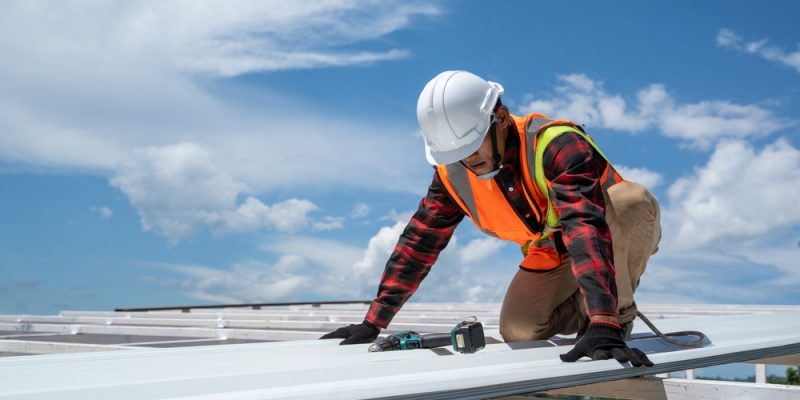
A commercial roof is one of the most critical components of your building. It protects internal operations, supports essential infrastructure, and plays a key role in managing water flow. When issues arise, timely commercial roof repairs are essential to prevent disruption, maintain compliance, and protect long-term property value.
For property managers and facilities teams, understanding how and when to address roof issues can significantly reduce maintenance costs and operational risk.
Why commercial roofs require specialised attention
Commercial roofs are exposed to constant environmental stress while supporting additional building systems. Unlike residential roofs, they often:
- Cover large surface areas
- Incorporate flat or low-slope designs
- Support equipment such as HVAC units
- Handle complex drainage systems
These factors increase the likelihood of wear and make early intervention critical.
Common causes of commercial roof damage
Roof damage rarely occurs overnight. It is typically the result of gradual deterioration caused by:
- Prolonged exposure to UV radiation
- Heavy rainfall and storm events
- Poor drainage leading to ponding water
- Ageing membranes and materials
- Structural movement over time
In Perth, winter conditions place additional strain on roofing systems, making this a peak period for inspections and repairs .
Early warning signs that repairs are needed
Recognising early signs of damage allows property managers to act before issues escalate.
Key indicators include:
- Water stains on ceilings or walls
- Cracks or blistering in roof membranes
- Loose or damaged flashing
- Pooling water after rainfall
- Mould or damp odours within the building
Ignoring these signs often leads to more extensive and costly repairs.
The importance of accurate leak detection
Before any repair work begins, identifying the exact source of the problem is essential. Without proper diagnosis, repairs may only provide temporary relief.
This is where commercial roof leak detection plays a critical role. Accurate detection ensures repairs are targeted, efficient, and long-lasting.
Types of commercial roof repairs
Commercial roof repairs vary depending on the extent and nature of the damage. Common solutions include:
Membrane repairs
Patching or replacing damaged sections of waterproof membranes to restore integrity.
Flashing repairs
Sealing or replacing flashing around penetrations, joints, and edges to prevent water ingress.
Drainage improvements
Addressing blocked or poorly designed drainage systems to prevent water pooling.
Resealing and waterproofing
Applying protective coatings to extend the life of existing roofing systems.
Each repair should be tailored to the building’s specific requirements.
The risks of delaying roof repairs
Postponing repairs can have serious consequences for commercial properties. These include:
- Structural damage to the building
- Increased repair costs over time
- Disruption to tenants and operations
- Health risks from mould and damp conditions
- Potential compliance and insurance issues
For property managers, these risks often translate into increased workload and pressure.
Preventative maintenance: reducing the need for repairs
The most effective way to manage roof repairs is to minimise their occurrence through preventative maintenance.
This includes:
- Scheduled roof inspections
- Routine gutter and downpipe cleaning
- Monitoring high-risk areas
- Addressing minor defects early
This proactive approach aligns with broader building maintenance strategies, including commercial leak detection and plumbing system management.
Integrating roofing with broader building systems
Roofing systems are closely connected to other building infrastructure. For example:
- Poor roof drainage can overload stormwater systems
- Water ingress can impact internal plumbing
- Structural movement can affect both roofing and pipework
This highlights the importance of an integrated maintenance approach, combining roofing with commercial plumbing Perth services.
Supporting compliance and safety
Commercial roof repairs must meet relevant building codes and safety standards. This includes:
- Maintaining waterproofing integrity
- Ensuring safe access for maintenance
- Preventing hazards such as mould or structural instability
Proper documentation of repairs and inspections is also essential for compliance and insurance purposes.
Supporting property managers and facilities teams
For property managers, effective roof repair strategies provide:
- Greater control over maintenance budgets
- Reduced emergency callouts
- Improved tenant satisfaction
- Confidence in building performance
This supports a more structured and less reactive approach to property management.
Final thoughts
Commercial roof repairs are not just about fixing visible damage-they are about protecting the entire building system. By combining accurate leak detection, timely repairs, and ongoing maintenance, property managers can reduce risk, control costs, and maintain high-performing properties.
FAQs
1. How often should commercial roofs be inspected?
At least twice per year, with additional inspections after major weather events.
2. What is the most common cause of roof leaks?
Poor drainage and damaged membranes are among the most common causes.
3. Can roof repairs extend the life of the roof?
Yes. Timely repairs and maintenance can significantly extend the lifespan of a roofing system.
4. How does leak detection improve repair outcomes?
It ensures repairs address the root cause, preventing recurring issues and unnecessary costs.





Comments