
 By
By 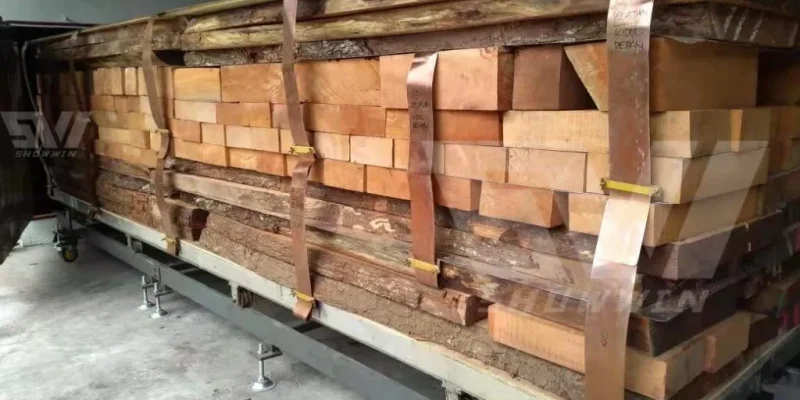
The quality of timber used in woodworking, joinery, and construction depends heavily on how it is dried. Excess moisture leads to significant problems such as warping, splitting, twisting, fungal growth, and dimensional instability. These defects not only cause material waste but also affect the structural reliability and appearance of finished products. To meet the demands of modern manufacturing and craftsmanship, businesses increasingly rely on controlled drying systems that deliver predictable, high-quality results.
A wood drying kiln offers a precise and efficient solution for reducing moisture content evenly throughout the timber. Unlike air drying, which can take months or even years and often produces inconsistent results, kiln drying is fast, accurate, and adaptable to various wood species and thicknesses. For furniture makers, joinery shops, and timber merchants, investing in a quality kiln system enhances product performance, reduces waste, and boosts profitability.
Kiln Services Ltd provides advanced kiln technology tailored to the diverse needs of the woodworking and timber industries, ensuring reliable performance and exceptional drying results.
Why Proper Timber Drying Matters
Timber that is not adequately dried poses several risks during and after production:
- Warping and twisting due to uneven moisture distribution
- Cracking or splitting as wood contracts unpredictably
- Inconsistent machining results affecting precision joinery
- Difficulty gluing, painting, or finishing
- Lower structural integrity in construction projects
- Higher likelihood of fungal decay and insect infestation
Kiln drying addresses these issues by removing moisture in a controlled environment, ensuring the wood reaches the ideal moisture content for its intended use—typically between 6% and 12%, depending on the application and species.
How a Wood Drying Kiln Works
Modern wood drying kilns use a combination of heat, airflow, and humidity control to gradually extract moisture from sawn timber. Key components of the process include:
Controlled Temperature
Heat is applied at carefully managed levels to avoid surface drying too quickly, which can trap moisture inside the wood or cause checking.
Balanced Airflow
Fans circulate warm air evenly throughout the chamber, ensuring all boards dry consistently from end to end.
Humidity Regulation
Moisture released from the wood is monitored and vented to maintain optimal drying conditions.
Programmable Drying Cycles
Kiln operators can choose or customise cycles based on wood species, thickness, and desired moisture content.
This high level of control ensures accuracy and repeatability—crucial for businesses that rely on stable, defect-free timber.
Kiln Services Ltd specialises in providing durable, user-friendly kilns designed for consistent results and efficient operation.
Benefits of Using a Wood Drying Kiln
- Faster Drying Times
Kiln drying accelerates the drying process dramatically, reducing lead times and increasing production capacity.
- Improved Timber Stability
Evenly dried wood is less prone to movement, ensuring reliable performance in joinery and furniture production.
- Enhanced Product Quality
Kiln drying creates clean, workable timber that machines, shapes, and finishes beautifully.
- Reduced Waste and Rejections
Fewer defects mean less scrap material and higher profitability.
- Greater Versatility
Modern kilns accommodate a wide range of wood species—from hardwoods like oak and ash to softwoods such as pine and spruce.
- Year-Round Production
Unlike air drying, kilns operate efficiently in all weather conditions, providing consistent output regardless of climate.
- Better Pest and Fungal Control
High temperatures eliminate insects, spores, and mould, improving long-term storage quality.
Essential for Woodworking, Joinery, and Construction Industries
Professionals in timber-focused industries depend on stable, high-quality materials. Kiln-dried timber is especially beneficial for:
- Furniture manufacturing
- Cabinet making
- Architectural joinery
- Flooring production
- Doors and window frames
- Timber framing for buildings
- Interior and exterior carpentry
By ensuring predictable performance and durability, kiln-dried wood supports craftsmanship, structural reliability, and customer satisfaction.
Investing in Better Efficiency and Profitability
Businesses that integrate kiln drying into their production process benefit from:
- Faster turnaround times
- Greater flexibility in timber stock management
- Higher-value finished products
- Reduction in kiln-drying outsourcing costs
- Improved overall operational efficiency
A well-designed wood drying kiln from Kiln Services Ltd supports long-term productivity and helps companies stay competitive in the woodworking and construction markets.
Conclusion
Drying timber correctly is essential for producing strong, stable, and high-quality wood products. A wood drying kiln offers the precise control needed to minimise defects, improve consistency, and meet the demanding standards of modern woodworking and joinery. With advanced systems from Kiln Services Ltd, businesses can achieve reliable, efficient, and profitable timber production year-round.
Whether you’re crafting furniture, manufacturing joinery components, or supplying construction materials, kiln drying ensures your timber performs beautifully—every time.










Comments