
 By
By 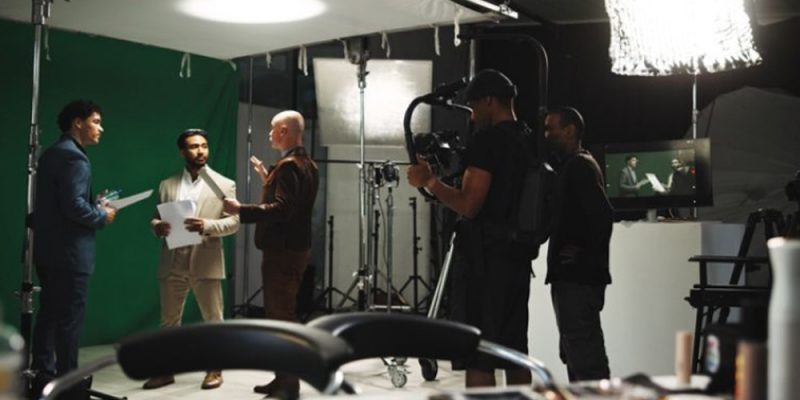
Key Takeaways
- Video and photography teams need agreed physical positions before the event starts to prevent blocked shots during critical moments.
- Non-repeatable segments such as ribbon cuttings or surprise announcements require a clear shooting order to avoid unusable footage.
- Lighting and movement decisions must account for continuous video recording so flashes, background crossings, and repositioning do not disrupt final outputs.
Introduction
Two visual records are necessary for live events. In a single frame, photography captures pivotal moments. Video records movement, sound, and atmosphere over time. These formats depend on different tools and working distances, yet they operate in the same physical space. Event organisers often book both services without planning how the teams will move together. When coordination is missing, problems appear on-site and only become visible during post-production. Missed shots, blocked footage, and unusable clips weaken the final event documentation.
1. One-Take Moments Without Assigned Positions
Certain moments happen once and end immediately. Ribbon cuttings, award announcements, and surprise guest appearances leave no room for retakes. During these moments, both video and photography teams rush toward the same angle. Without assigned positions, one camera often blocks another. The result shows up later as a wide video shot filled with a photographer’s shoulder or a still image with a tripod cutting through the frame. Clear positioning before the event prevents this failure. One team takes the frontal angle. The other works from the side. Everyone knows where to stand before the moment happens.
2. Flash Use During Active Video Recording
Photography flashes serve a specific purpose. They freeze motion and compensate for low light. Video production teams in Singapore rely on continuous lighting and stable exposure. When flashes fire during video recording, they create blown highlights and flickering frames that cannot be fixed in editing. This issue occurs most often during speeches and walk-on moments. The solution lies in timing and communication. Photographers pause flash use during key video segments. Videographers alert photographers before rolling on close shots. Both teams protect their output without compromising the other.
3. Competing for Central Angles
Stages, aisles, and podiums offer limited shooting space. The centre position delivers the clearest view of speakers and performers. When both teams attempt to occupy this space, movement stops. One camera blocks another. Shots become repetitive or unusable. Coordination resolves this by assigning lead angles. One team holds the central line while the other captures alternate perspectives. After a fixed interval, positions rotate. This approach produces varied footage and avoids physical obstruction during critical segments.
4. Background Movement During Long Takes
Video teams often film extended sequences during networking sessions or panel discussions. These takes require stable backgrounds. Photographers move quickly to capture candid interactions. Without defined zones, photographers cross behind speakers or interview subjects. These movements appear in the final edit and break visual continuity. The problem does not stem from speed but from awareness. When teams agree on active filming zones, photographers route around them. Video teams signal when a long take starts. The footage retains a clean background without limiting coverage.
5. Unclear Coverage Priorities for Key Individuals
Events revolve around specific people. Executives, speakers, sponsors, and award recipients carry different levels of significance. When teams receive no shared priority list, coverage fragments. Video may capture a full speech while event photography misses the arrival. Photos may focus on crowd reactions, while video misses post-event interactions. This failure traces back to briefing gaps. A shared capture list aligns both teams. Everyone knows which individuals require coverage at arrival, on stage, and during interactions. The final archive reflects the event’s real hierarchy.
Conclusion
Successful event coverage depends on coordination, not equipment quality. Teams for video production in Singapore, along with photographers, share space, timing, and access. When they plan movement, lighting, and priorities together, coverage improves across both formats. These five failure points appear repeatedly in live event media work. Addressing them before the event begins prevents lost footage and compromised visuals. Coordinated teams document events clearly and consistently without obstructing each other’s work.
Contact Our Momento to ensure your next event receives coordinated video production in Singapore and photography coverage that protects every critical moment.








Comments