
 By
By 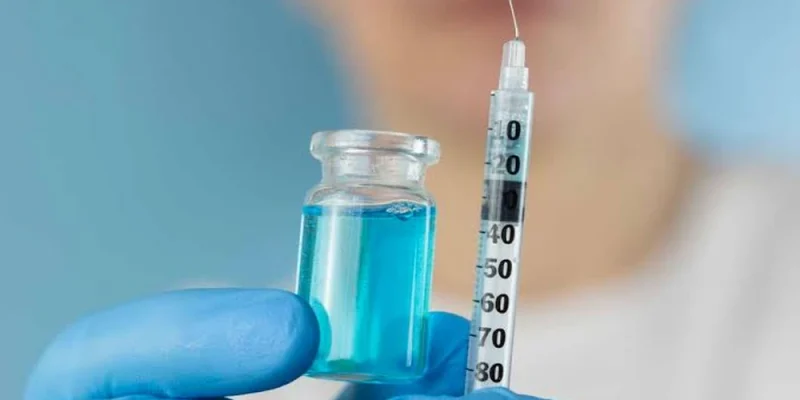
Single-peptide protocols address one biological repair requirement within one active dosing cycle, leaving the other requirements of complex soft tissue recovery to whatever the body’s existing repair capacity can manage independently. wolverine peptide pairing exists because BPC-157 covers the localised vascular deficit at the injury site that TB-500 does not address, while TB-500 covers the systemic cellular migration requirement that BPC-157 does not reach beyond the injection site proximity. Neither compound produces the other’s effect through its own mechanism, which is the structural reason the pairing adds a second repair process rather than duplicating the first.
Tissue repair gap in single peptides
Locally acting peptides concentrate their repair effects at or near the administration site, addressing the structural damage in that specific area without distributing repair signals across the broader tissue network surrounding the primary injury. Systemically acting peptides distribute repair cell migration across a wide tissue area without generating the targeted localised angiogenesis that inadequately vascularised structures like tendons require at their specific damage sites. The gap between what each compound covers independently and what the combined protocol fills within one dosing cycle, running both mechanisms simultaneously.
Pairing mechanism rationale
VEGF pathway activation is the BPC-157 mechanism, generating new capillaries at the injury site that increase oxygen and nutrient delivery to tissue receiving inadequate blood flow through existing vasculature after structural damage. Thymosin beta-4 regulation of actin polymerisation is the TB-500 mechanism, driving repair cell migration to damaged tissue across a systemic network that extends beyond injection site proximity in ways that locally acting compounds do not replicate. Neither pathway triggers the same biological process as the other, meaning simultaneous activation produces two repair processes running in parallel rather than one process receiving a doubled signal through the same channel. Running both compounds within aligned active windows maintains that parallel activation throughout the full protocol cycle without gaps in either mechanism.
Repair acceleration factors
BPC-157 with TB-500 produces faster tissue repair relative to single-peptide approaches through the following specific biological factors documented in preclinical research:
- New capillary formation at the injury site from BPC-157 VEGF activation increases oxygen delivery to hypoxic tissue within the first days of administration, addressing the vascular supply deficit that restricts every subsequent stage of the structural repair process.
- Repair cell migration from TB-500 thymosin beta-4 activation reaches damaged tissue across the surrounding soft tissue network simultaneously with BPC-157 localised action, reducing the cellular recruitment delay that single-peptide protocols leave unaddressed beyond the injection site.
- Inflammation reduction from TB-500 systemic distribution lowers the inflammatory burden across the joint complex surrounding the primary injury, creating a tissue environment more conducive to structural repair than localised anti-inflammatory approaches alone can produce.
- Fibroblast activity supported by BPC-157 growth factor signalling at the injury site accelerates collagen remodelling at the specific structural damage location, complementing the broader cellular migration that TB-500 drives across the surrounding tissue simultaneously.
- Dual-mechanism overlap maintained through aligned BPC-157 daily dosing alongside TB-500 weekly or biweekly dosing keeps both repair processes active throughout the full protocol cycle without the gaps that sequential single-peptide approaches produce between compound cycles.
Both BPC-157 and TB-500 are used to repair soft tissues simultaneously because they address different biological bottlenecks. During the overlapping active windows of the combined protocol cycle, neither compound could produce the other’s effect through its own pathway, with BPC-157 locally supplying vascular supply at the structural damage site and TB-500 systemically migrating cells across surrounding tissue networks.








Comments