
 By
By 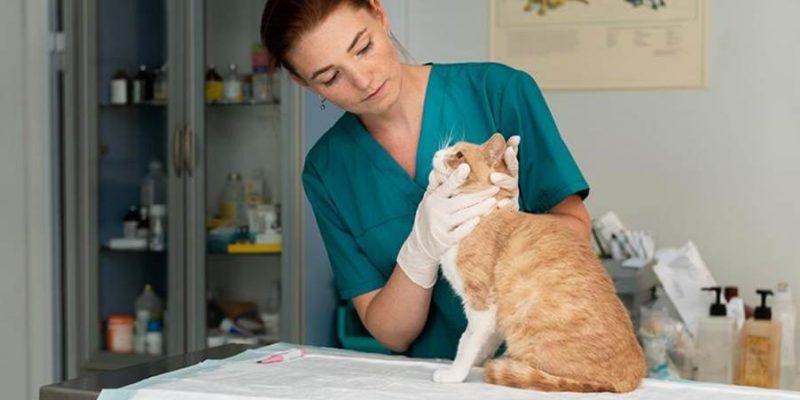
Cat neutering is an essential procedure that benefits both pets and their owners. It helps control the feline population, prevents behavioural issues, and improves overall health. In Singapore, veterinary clinics have developed precise and gentle techniques to ensure that the procedure is safe and stress-free for every animal. Understanding how vets for cats approach this process can help pet owners feel confident about their decision to proceed with cat sterilization in Singapore.
Understanding the Purpose of Cat Neutering
Cat neutering involves surgically removing the reproductive organs of a cat to prevent it from breeding. For male cats, this means removing the testes, while female cats undergo a procedure to remove the ovaries and uterus. Beyond population control, neutering has several health advantages. It reduces the risk of reproductive-related diseases, lowers aggression, and prevents territorial marking. In Singapore, many clinics advocate early sterilisation as part of responsible pet ownership, aligning with animal welfare guidelines.
Pre-Surgery Preparation and Anaesthesia
A smooth surgical experience begins with careful preparation. Cats are typically fasted for several hours before surgery to reduce anaesthetic risks. On the day of the procedure, the vet administers pre-anaesthetic medication to keep the cat calm and relaxed. Once under anaesthesia, vital signs such as heart rate, oxygen levels, and body temperature are closely monitored. Modern veterinary clinics in Singapore use advanced monitoring equipment to ensure that each cat remains stable throughout the procedure.
Gentle Surgical Techniques
During cat neutering, precision and care are crucial. For male cats, the surgery involves making a small incision near the scrotum, removing the testes, and closing the area using absorbable sutures. The process usually takes less than 30 minutes and results in minimal discomfort. Female cats undergo a slightly longer procedure where the ovaries and uterus are removed through a small incision in the abdomen. Vets use refined methods and sterile instruments to minimise bleeding and shorten recovery time.
Initial Consultation and Health Assessment
Before any procedure, vets for cats conduct a detailed pre-surgical consultation. This involves assessing the cat’s overall health, medical history, and vaccination status. Blood tests may be carried out to check for any underlying conditions that could affect anaesthesia or recovery. During this stage, veterinarians explain the process clearly and answer any questions the pet owner may have. This step ensures that every cat receives a tailored approach to its health and safety.
Post-Surgery Monitoring and Immediate Care
After surgery, cats are placed in a recovery area under close observation. The veterinary team ensures that each cat wakes safely from anaesthesia and maintains stable vital signs. Some mild drowsiness or disorientation is expected, but these effects fade within a few hours. Vets monitor pain levels and administer appropriate medication to ensure comfort. Most cats can return home on the same day, provided they show stable recovery signs.
Pain Management and Home Recovery
Pain relief is a vital part of post-surgery care. Vets prescribe safe painkillers and provide detailed instructions to help owners manage their cat’s recovery at home. The incision area should be kept clean and dry, and cats must be prevented from licking or scratching the wound. An Elizabethan collar may be recommended for this purpose. Owners should also ensure that their cats rest indoors for a few days and avoid jumping or running. Follow-up visits allow the vet to check healing progress and remove any external stitches if necessary.
Long-Term Benefits of Neutering
Neutered cats tend to live longer and healthier lives. The procedure helps prevent infections, reproductive cancers, and hormonal imbalances. It also reduces roaming tendencies and aggression, making cats more affectionate and easier to manage. For female cats, neutering eliminates the heat cycle, reducing stress and unwanted attention from male cats. By undergoing cat sterilisation in Singapore, pet owners contribute to responsible pet ownership and help reduce the number of stray animals.
Learn More: Guide to Anxiety in Cats: How to Calm Your Pet
Ensuring Safe and Gentle Procedures
Safety and compassion are at the core of every veterinary practice offering neutering services. Clinics use modern surgical equipment, maintain sterile environments, and employ skilled professionals trained in feline care. Every step, from anaesthesia to recovery, is handled with precision and empathy. The goal is to ensure that each cat experiences minimal stress and recovers swiftly. When choosing vets for cats, pet owners should look for clinics that prioritise transparent communication, follow-up support, and high standards of care.
Supporting Your Cat’s Wellbeing After Surgery
The post-surgery period is just as important as the procedure itself. Providing a calm environment, proper nutrition, and regular monitoring helps your cat regain energy and confidence. Owners should maintain scheduled vet visits to ensure ongoing health and discuss any concerns. Neutering is a one-time procedure that provides lifelong benefits when managed correctly. With the right veterinary care, cats can return to their playful and loving nature within days.
Cat neutering is a responsible step that safeguards your pet’s health while supporting animal welfare. When handled by skilled professionals, the process is safe, gentle, and beneficial for every feline.
For more information about neutering for cats, contact Paws N’ Claws today.






Comments