
 By
By 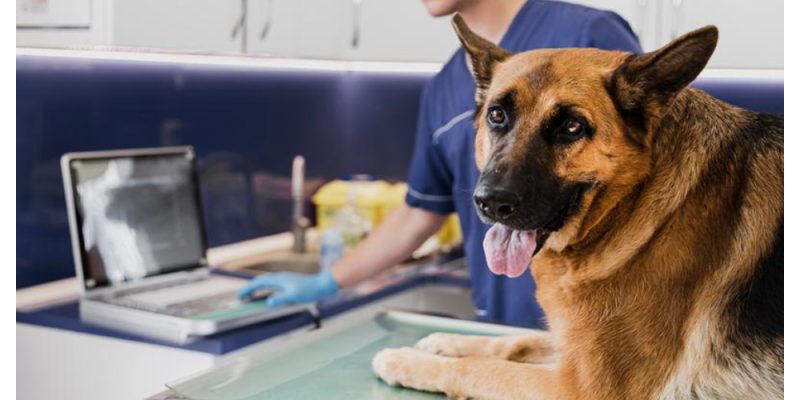
Visiting an orthopaedic vet can be stressful, not just for your pet but for you as well. Whether it’s a limp that won’t go away or an old injury acting up again, knowing how to prepare makes all the difference. Singapore’s pet owners, who often treat their fur kids like family, understand the importance of giving them the best care possible. That starts with choosing a reputable pet hospital in Singapore and preparing both mentally and practically before the appointment.
Understand Why an Orthopaedic Vet Visit Matters
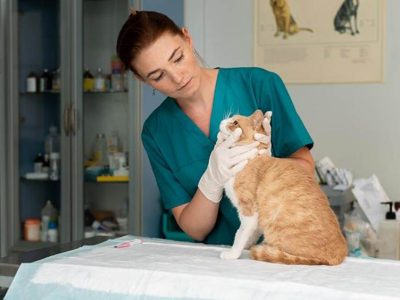
An orthopaedic vet specialises in bone, joint, and muscle issues. So if your dog has started limping after playtime or your cat hesitates to jump onto the sofa, it’s time to take a closer look. These vets can diagnose fractures, ligament tears, hip dysplasia, and even arthritis.
The challenge is that animals can’t tell us what hurts. That’s why your observation is crucial. Keep track of how long the issue has lasted, when it gets worse, and what movements trigger discomfort. A pet hospital in Singapore will usually ask for such details during consultation, so jotting them down can help the vet make a more accurate diagnosis.
Get the Basics Ready Before You Go
Here’s the thing: preparing for the visit isn’t just about showing up. It’s about ensuring your pet is calm, comfortable, and safe on the way there. If your pet is anxious, try getting them familiar with their carrier days before the trip. Leave it open in a quiet space, maybe with their favourite blanket or toy inside. The goal is to make it feel like part of their everyday environment, not a trap leading to the unknown.
For dogs, consider a short walk before heading to the pet hospital in Singapore. A bit of exercise can ease their nerves and make them more cooperative during the examination. And yes, always bring treats; they work wonders as reassurance.
Bring the Right Information and Essentials
When you meet the orthopaedic vet, the more background you can provide, the better. Bring any previous X-rays, medical records, or even videos of your pet walking or playing. Videos help show subtle changes in movement that might not appear in the clinic.
You might also want to list your pet’s diet, supplements, and exercise habits. Small details can point to big patterns. Sometimes what seems like a minor behaviour change is linked to muscle strain or poor nutrition.
And don’t forget practical essentials: your pet’s leash or harness, some wipes, and a water bottle, especially in Singapore’s humid weather. It sounds basic, but when your pet is comfortable, the vet can examine them more effectively.
Ease Their Anxiety During the Visit
Let’s be honest, most pets don’t like being poked or prodded by strangers in lab coats. The best thing you can do is stay calm yourself. Animals sense your mood, so if you appear relaxed, they’re more likely to stay composed.
Speak softly, keep movements slow, and reward good behaviour. Some pet owners find it helpful to stay beside their pets during the check-up, holding their collar or gently petting them while the orthopaedic vet works.
If the appointment includes X-rays or sedation, ask the vet to explain the process first. Understanding each step helps you stay calm, which in turn reassures your pet. Many pet hospitals in Singapore take pride in being pet-friendly, offering quieter waiting areas and stress-minimising procedures.
Follow-Up Care Is Just as Important
Once the visit is over, the real work begins at home. Whether it’s administering medication, restricting activity, or following a physiotherapy plan, consistency matters. Orthopaedic recovery can take time, so patience is key.
Keep communication open with your orthopaedic vet. If your pet’s condition doesn’t seem to improve or you notice new symptoms, reach out early rather than wait. Most pet hospitals in Singapore have follow-up channels via WhatsApp or online portals, making it easy to stay in touch.
You can also prepare small adjustments at home, such as non-slip mats for older pets or raised bowls to ease strain during feeding. Little things can make recovery smoother and more comfortable.
Conclusion
Preparing for an orthopaedic vet visit isn’t just about logistics. It’s about empathy, patience, and giving your pet the reassurance they need when they’re at their most vulnerable. By choosing a trusted pet hospital in Singapore and staying actively involved in the process, you give your furry friend the best chance at healing and mobility.
If you’re planning your pet’s next orthopaedic vet appointment, contact Paws N’ Claws Veterinary Surgery to ensure your pet receives the care they truly deserve.







Comments