
 By
By 
Key Takeaways
- A leather sofa does not crack easily if it is properly maintained and used under suitable conditions.
- Cracking is usually caused by dryness, poor-quality materials, or neglect rather than normal wear.
- What a furniture shop often does not explain clearly is the difference between genuine leather grades and how that affects durability.
- Environmental factors such as humidity, air-conditioning, and direct sunlight play a major role in how a leather sofa ages.
- Regular conditioning and correct placement significantly reduce the risk of cracking over time.
Introduction
A leather sofa is often perceived as a long-term investment, but concerns about cracking remain one of the most common barriers to purchase. Many buyers walk into a furniture shop in Singapore expecting a straightforward explanation, yet the reality is often simplified or glossed over. The question is not whether a leather sofa will crack, but under what conditions it might. Understanding the material, usage patterns, and environmental exposure provides a clearer and more practical answer.
What Actually Causes a Leather Sofa to Crack
Cracking does not occur randomly. It is typically the result of the leather losing its natural oils over time, which leads to dryness and reduced flexibility. Once leather becomes brittle, repeated pressure from sitting causes the surface to split or form visible cracks. This situation is not a manufacturing defect in most cases but a gradual outcome of improper care or unsuitable conditions.
Another major factor is the type of coating applied to the leather. Heavily processed or coated leather may initially appear more uniform but can be less breathable, which affects how it ages. Once the top layer deteriorates, it can create the appearance of cracking even if the underlying material is still intact. This distinction is rarely explained clearly at the point of sale.
Not All Leather Sofas Are Built the Same
One of the biggest gaps in explanation at a furniture shop is the difference between leather grades. Full-grain and top-grain leather retain more of the natural structure, making them more resistant to cracking when maintained properly. In contrast, bonded or faux leather products are more prone to surface damage because they rely on synthetic layers that can degrade faster.
Consumers often assume all leather sofa options offer the same durability, but this is not accurate. Lower-grade materials may look similar initially but behave very differently over time. Buyers, without understanding these differences, may attribute cracking to leather as a whole rather than the specific type they purchased.
Environmental Factors That Accelerate Damage
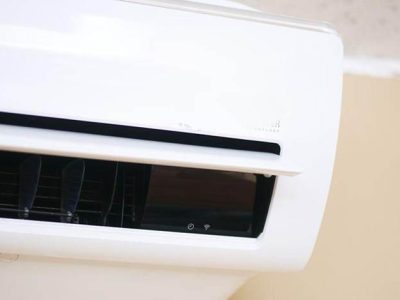
Climate and placement play a critical role in how a leather sofa performs. That said, in air-conditioned environments, which are common in many homes, the air can become dry enough to draw moisture out of the leather. Over time, this contributes to stiffness and eventual cracking if the material is not conditioned regularly.
Direct sunlight is another overlooked factor. Prolonged exposure to heat and UV rays accelerates the breakdown of leather fibres and surface finishes. Placing a leather sofa near windows without adequate shading increases the risk of visible wear. These environmental considerations are practical but often underemphasised during the buying process.
Maintenance Practices That Prevent Cracking
Preventing cracks is largely a matter of consistent care rather than complex treatment. Regular cleaning removes dirt that can abrade the surface, while conditioning replenishes lost oils and maintains flexibility. A basic maintenance routine performed every few months is sufficient for most households.
It is also important to avoid harsh cleaning agents that strip protective coatings. Using products designed specifically for leather ensures that the material retains its structure and appearance. Proper usage habits, such as avoiding sharp objects or excessive weight concentration in one area, also contribute to longevity.
What Furniture Shops Don’t Explain Clearly
The key issue is not misinformation but incomplete information. A furniture shop may highlight the durability of a leather sofa without fully explaining the conditions required to maintain that durability. Factors such as leather grade, environmental exposure, and ongoing care are often treated as secondary details rather than essential considerations.
Buyers are left with the impression that leather is either highly durable or prone to cracking, without understanding that both outcomes are possible depending on how the sofa is selected and maintained. This lack of clarity leads to unrealistic expectations and avoidable dissatisfaction.
Conclusion
A leather sofa does not inherently crack easily. Cracking is typically the result of material quality, environmental exposure, and maintenance practices working together over time. Once these factors are managed correctly, leather remains durable and stable for years. The key is to move beyond surface-level explanations and focus on the practical conditions that influence performance. Buyers can make informed decisions and avoid the common issues that are often misunderstood by approaching the purchase with a clearer understanding.
Contact Cellini Design Center and visit a trusted furniture shop that walks you through leather grades, care requirements, and real-world performance.







Comments