
 By
By 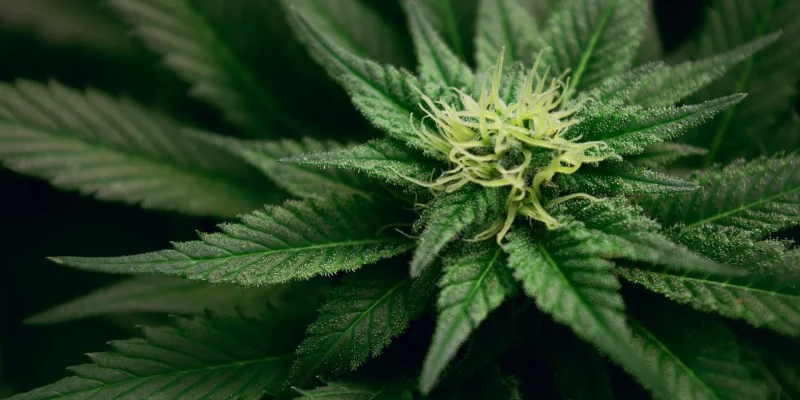
Cannabis is often regarded as relatively harmless, especially when compared with so-called “hard” drugs. Yet, for many people, casual or heavy marijuana use can slowly slip into patterns of psychological dependence, impaired motivation, and long-term disruption — even when that possibility is dismissed or ignored. For those facing repeated use, difficulty quitting, or impairment in daily functioning, a structured intervention may be the turning point. A well‑designed recovery process — such as that offered by a dedicated Austin recovery center — can provide the care and support needed to break free and rebuild. Check out SEO for cannabis to know more.
Understanding Cannabis Dependence
Although cannabis is widely consumed and socially accepted in many places, regular use — especially frequent smoking or long-term use — can take a toll on both mind and body. The psychoactive compound in marijuana alters brain functioning, affecting memory, learning ability, judgment, and emotional regulation. Over time, some users find themselves increasingly relying on marijuana to manage mood, stress, or daily discomfort.
Dependence on cannabis often emerges gradually, making it difficult to recognize. Initially, occasional use may seem harmless — maybe a way to relax or socialize. But as tolerance builds, more frequent use may be needed to achieve the same desired effects, while everyday pleasures and responsibilities begin to lose appeal. Work performance may decline, relationships strain, interest in former hobbies or ambitions may fade, and mental health may suffer.
When use shifts from occasional to habitual, attempts to quit often trigger withdrawal symptoms. These may include irritability, sleep disturbances, appetite changes, restlessness, anxiety, or depression — factors that make cessation difficult without support.
Why Casual Use Doesn’t Always Stay Casual
Part of the reason many people dismiss cannabis as “safe” stems from its social normalization. It’s often compared to alcohol or a recreational pastime, rather than viewed as a substance with potential for dependency. However, frequent or heavy use can bring serious mental, emotional, and social consequences — especially when used as a coping mechanism or to escape stress.
Research shows that prolonged use can impair motivation, reduce emotional resilience, and even contribute to anxiety, depression, or other mental‑health problems — outcomes that often go unnoticed for years.
Because the brain adapts to repeated exposure to the drug, natural rewards such as hobbies, relationships, or work satisfaction may start feeling dull, prompting the user to rely increasingly on cannabis for pleasure or relief. That reliance can snowball into a pattern that traps people far deeper than they ever intended.
Healing Through Structured Care and Support
Quitting cannabis doesn’t always require intensive medical intervention — some people successfully taper off with support. But when use has become deeply embedded in daily life — affecting health, relationships, work, or emotional well‑being — a structured rehabilitation approach often offers the greatest chance of sustained recovery. Institutions designed for this purpose aim to help individuals through detoxification, therapy, and long‑term support, addressing not just substance use but also mental, behavioral and social factors.
Medical supervision during early abstinence can be helpful to manage withdrawal symptoms like insomnia, irritability, mood swings, or cravings, and to support overall well‑being during the transition.
Therapeutic support — both individual and group sessions — remains essential. Through behavioral therapies and counseling, individuals learn to identify triggers, understand their patterns of use, rebuild coping skills, and restore motivation and purpose. They may also confront underlying issues such as stress, trauma, anxiety, or social pressures that contributed to dependence.
Aftercare and relapse‑prevention planning are vital components. Recovery is not a one‑time event but a process. Structured aftercare — support groups, counseling, lifestyle adjustments, coping strategies — can help maintain sobriety and promote long‑term mental and emotional stability.
Why Reaching Out Matters
Cannabis dependence often develops slowly, quietly, and under the radar. Because use may start casually and escalate over time, many individuals don’t consider themselves “addicted,” even as marijuana begins to dominate thoughts, emotions, relationships, or daily functioning. But dependence is real — and so is recovery.
Choosing to seek help — whether from a professional facility or therapeutic support community — takes courage. But with structured care, comprehensive therapy, and ongoing support, many find that they can reclaim clarity, purpose, and control.
A supportive Austin recovery center can be more than a place to quit; it can become a foundation for rebuilding a balanced life. With guidance, understanding, and commitment, recovery from cannabis dependence can open the door to renewed mental health, restored relationships, and regained personal agency. If cannabis use has begun to interfere with your life — emotionally, mentally or socially — reaching out for help may be the first step toward true healing.







Comments